

tech news usa

ascend-elements-techmeo-com

EV Industry Shock: Ascend Elements Files for Bankruptcy After $900M Investment Struggles

The U.S. electric vehicle supply chain is facing a major setback as Ascend Elements officially files for Chapter 11 bankruptcy, raising concerns about the future of battery recycling and EV infrastructure in America. After attracting nearly $900 million in investor funding, the company’s collapse highlights growing challenges in the evolving electric vehicle market. ⚠️ Why Ascend Elements Filed for Bankruptcy CEO Linh Austin described the company’s financial situation as “insurmountable,” signaling deep-rooted issues behind the decision. Key factors include: The situation worsened after a $316 million federal grant—critical for its expansion—was canceled, leaving a major funding gap despite partial disbursement. 🔋 What Ascend Elements Does Ascend Elements specializes in battery recycling technology, focusing on extracting valuable minerals from used lithium-ion batteries. Its process aims to: The company was building a massive 1 million-square-foot facility in Kentucky, intended to scale this technology for commercial use. 📉 EV Market Slowdown Adds Pressure Ascend’s financial troubles come at a time when the U.S. electric vehicle market is cooling down. Recent trends include: For instance, Volkswagen recently halted production of its ID.4 electric vehicle at its Tennessee plant, shifting focus back to gas-powered models. 💸 Investor Impact and Industry Concerns The bankruptcy is a significant blow to investors who had bet heavily on battery recycling as a key part of the EV ecosystem. It also raises broader questions: 🔮 What Happens Next? Filing for Chapter 11 allows Ascend Elements to restructure its operations while continuing limited business activities. Possible next steps include: 💡 Final Thoughts The bankruptcy of Ascend Elements underscores the volatility of the EV industry, especially for companies operating in emerging sectors like battery recycling. The source of this news is Tech Crunch. For TechMeo readers, this development is a reminder that while electric vehicles represent the future, the path forward is complex—shaped by market demand, policy decisions, and financial sustainability.

EV Industry Shock: Ascend Elements Files for Bankruptcy After $900M Investment Struggles Read More »

, , , , , , , ,
snap-ai-glasses-techmeo-com

Snap’s AI-Powered Spectacles Are Back: New Qualcomm Deal Signals Smart Glasses Comeback

After years of silence, Snap is finally moving closer to launching its long-awaited AI-powered smart glasses, reigniting excitement in the augmented reality (AR) space. With a fresh partnership and renewed focus, the company is preparing to bring its next-generation wearable—Spectacles, also known as Specs—to market later this year. 🤝 Qualcomm Partnership Powers the Comeback Snap’s AR-focused subsidiary, Specs, has teamed up with Qualcomm to power its upcoming smart glasses. The devices will run on Qualcomm’s Snapdragon XR platforms, designed specifically for augmented and virtual reality experiences. This multi-year partnership aims to deliver: The collaboration signals a major step forward in making lightweight, powerful AI wearables a reality. 🕶️ What Are Snap Spectacles? Snap Spectacles are wearable smart glasses designed to blend the physical and digital worlds. Unlike earlier versions focused on capturing video, the new generation is expected to emphasize: Snap CEO Evan Spiegel stated that this partnership will push the boundaries of what’s possible in wearable technology. 🔄 A Long Journey to Relaunch Snap’s journey with smart glasses has been anything but smooth. The company first introduced Spectacles over a decade ago, with the last consumer release in 2019. Since 2024: Now, the company appears ready to re-enter the consumer market with a more advanced product. 🚀 Why AI Glasses Matter Now The timing couldn’t be better. AI-powered devices are rapidly gaining traction, and smart glasses are emerging as the next frontier in personal computing. Key trends driving this shift: Snap’s new Spectacles aim to compete in a space where companies are racing to define the future of wearable tech. 🔮 What to Expect Next While Snap hasn’t revealed an official release date, the Qualcomm partnership strongly संकेत (signals) that development is entering its final stages. Consumers and developers can expect: 💡 Final Thoughts With backing from Qualcomm and a renewed strategy, Snap is positioning itself to make a serious comeback in the smart glasses market. The source of this news is Tech Crunch. For TechMeo readers, this marks an exciting shift: AI-powered wearables are no longer a concept—they’re becoming the next big platform in tech.

Snap’s AI-Powered Spectacles Are Back: New Qualcomm Deal Signals Smart Glasses Comeback Read More »

, , , , , , , , ,
elon-musk-terafab-techmeo-com

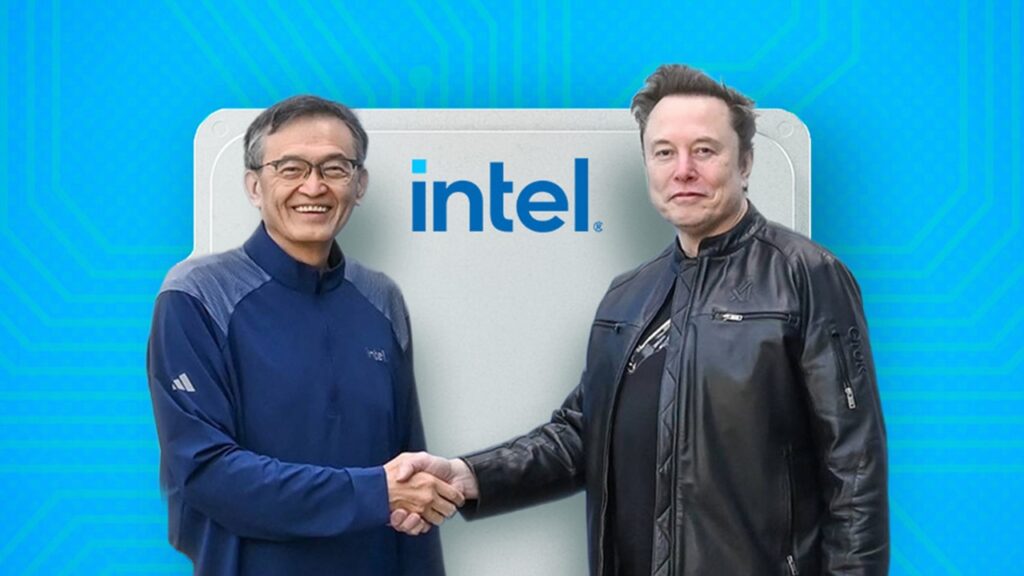
Intel Joins Elon Musk’s Terafab Project: New Texas Chip Factory Aims to Power AI and Robotics Boom

In a major move for the U.S. semiconductor industry, Intel has officially joined a high-profile initiative led by Elon Musk to build a next-generation chip manufacturing facility in Texas. The ambitious “Terafab” project, backed by SpaceX and Tesla, aims to produce massive computing power to support the future of artificial intelligence, robotics, and space technologies. 🚀 What Is the Terafab Project? The Terafab initiative is designed to create a cutting-edge semiconductor factory capable of producing up to 1 terawatt (1 TW) of compute annually—a massive leap in processing capacity. This compute power could fuel: The vision reflects Elon Musk’s broader strategy to integrate AI across industries—from Earth to orbit. 🏭 Intel’s Role: Manufacturing Powerhouse Intel brings critical expertise to the project. As one of the few companies capable of designing, fabricating, and packaging high-performance chips at scale, Intel is expected to handle the most complex part of the operation: chip manufacturing. Although the exact scope of its involvement hasn’t been fully disclosed, Intel stated that its capabilities will help accelerate Terafab’s mission. This partnership also gives Intel two major anchor clients—Tesla and SpaceX—boosting its foundry business ambitions. ⚠️ Why Building a Chip Factory Is So Challenging Constructing a semiconductor fabrication plant (fab) is one of the most expensive and complex projects in tech: Previously, questions were raised about how Tesla and SpaceX—companies without chip manufacturing experience—could execute such a project. Intel’s involvement now provides a clear answer. 📊 Strategic Shift in the Chip Industry Once the dominant U.S. chipmaker, Intel has faced strong competition from rivals like Nvidia and AMD, which adopted a fabless model—designing chips while outsourcing manufacturing. By joining Terafab, Intel is doubling down on its manufacturing-first strategy, aiming to reclaim leadership in semiconductor production. Following the announcement, Intel’s stock saw a notable rise, reflecting investor optimism about the partnership. 🔮 What This Means for the Future of AI The Terafab project signals a major shift in how tech giants approach infrastructure: If successful, this initiative could redefine global competition in semiconductors and AI computing. 💡 Final Thoughts The collaboration between Intel, Tesla, and SpaceX marks a bold step toward the future of high-performance computing. The source of this news is Tech Crunch. For TechMeo readers, this is more than just a business deal—it’s a glimpse into the next era of AI infrastructure, where massive compute power will drive everything from self-driving cars to space-based data systems.

Intel Joins Elon Musk’s Terafab Project: New Texas Chip Factory Aims to Power AI and Robotics Boom Read More »

, , , , , , , , , , ,
Back-Satoshi-fhzv-video-techmeo-com

Bitcoin Mystery Deepens: Adam Back Rejects Claims He’s Satoshi Nakamoto After NYT Investigation

The identity of Bitcoin’s elusive creator is once again making headlines. British cryptographer Adam Back has publicly denied claims that he is Satoshi Nakamoto, following a high-profile investigation by The New York Times. Despite decades of speculation, the true identity behind Bitcoin remains one of the biggest unsolved mysteries in tech history. 🧩 The NYT Investigation: AI Enters the Search The latest theory comes from journalist John Carreyrou, known for exposing Theranos. In his investigation, Carreyrou used artificial intelligence analysis to examine archived emails from cryptography forums dating back to the 1990s and early 2000s. By comparing writing styles, patterns, and language quirks, the AI identified Adam Back as the closest match to Satoshi Nakamoto. Key similarities included: While innovative, the approach stops short of providing definitive proof. 👤 Why Adam Back Is a Strong Candidate Adam Back is no ordinary figure in the crypto world. He developed Hashcash, a proof-of-work system that later became foundational to Bitcoin mining. He is also the CEO of Blockstream, a major player in blockchain infrastructure. These credentials place him among the few individuals capable of designing a system like Bitcoin. ❌ Adam Back Responds: “It’s Coincidence” Despite the speculation, Adam Back has firmly denied being Satoshi Nakamoto. He dismissed the claims, stating that the similarities are simply due to shared knowledge, experience, and interests among early cryptography experts. He acknowledged that he fits the general profile but emphasized that the evidence is not conclusive. 🔍 The Satoshi Nakamoto Mystery Continues For over a decade, researchers, journalists, and crypto enthusiasts have tried to uncover Satoshi’s identity. Many theories have surfaced, but none have been proven. The latest investigation highlights: Even with advanced tools, the mystery remains unsolved. 💡 Why This Matters Today Understanding who created Bitcoin could have major implications for: However, Bitcoin’s decentralized nature means it continues to function independently of its creator. 🚀 Final Thoughts The renewed spotlight on Adam Back shows that the hunt for Satoshi Nakamoto is far from over. While AI-driven investigations add a modern twist, they still fall short of solving one of tech’s greatest puzzles. The source of this news is Tech Crunch. For TechMeo readers, this story underscores a fascinating truth: even in an era of advanced technology, some mysteries—like the origin of Bitcoin—remain just out of reach.

Bitcoin Mystery Deepens: Adam Back Rejects Claims He’s Satoshi Nakamoto After NYT Investigation Read More »

, , , , , , , , , ,
encryption-lock-techmeo-com

WireGuard Update Crisis: Microsoft Lockout Blocks VPN Security Fixes for Windows Users

A major disruption in the cybersecurity world has raised alarms across the tech industry. Popular open-source VPN project WireGuard is currently unable to deliver updates to Windows users after its developer account was unexpectedly restricted by Microsoft. What Happened to WireGuard? Jason Donenfeld, the creator of WireGuard, revealed that he has been locked out of his Microsoft developer account. This access is essential for signing drivers and pushing updates to Windows systems. Without this authorization: Donenfeld described receiving an “access restricted” error just as he was preparing to submit a new update. Why This Lockout Matters for Cybersecurity WireGuard is widely trusted for its speed, simplicity, and strong encryption, forming the backbone of several major VPN services like Mullvad VPN and Tailscale. If developers cannot push updates: Donenfeld even warned that in a worst-case scenario, users could be exposed if a critical vulnerability emerged during the lockout period. Microsoft’s Verification Policy at the Center The issue appears linked to Microsoft’s Windows Hardware Program, which requires developers to verify their identity before publishing drivers. This program ensures that only trusted developers can deploy software with deep system access. However: Despite successfully verifying his identity through official channels, Donenfeld’s access remains restricted. Not an Isolated Incident WireGuard is not alone. Other high-profile projects are facing similar issues: This pattern suggests a broader problem affecting multiple developers relying on Microsoft’s ecosystem. Delays, Frustration, and Uncertainty According to Donenfeld, Microsoft’s support response has been slow. Even after escalating the issue to executive support, resolution could take up to 60 days—a significant delay for security-critical software. The lack of communication has frustrated developers, with some openly criticizing the support process and lack of transparency. A Glimmer of Hope By midweek, Donenfeld confirmed he had finally established contact with Microsoft, raising hopes that access may soon be restored. However, no official statement has been released by the company. What This Means for Windows Users This situation highlights a critical dependency in the tech ecosystem: Final Thoughts The WireGuard lockout underscores the delicate balance between platform security policies and developer access. While verification systems aim to protect users, sudden account suspensions without notice can create unintended risks. The source of this news is Tech Crunch. For readers of TechMeo, this incident is a stark reminder: even the most trusted security tools depend on infrastructure that can fail unexpectedly—making transparency and communication more critical than ever.

WireGuard Update Crisis: Microsoft Lockout Blocks VPN Security Fixes for Windows Users Read More »

, , , , , , , , ,
cyber-hacker-techmeo-com

Close to $1M Cyber Heist: Hacker Diverts £700,000 from Energy Firm in Sophisticated Payment Scam

A shocking cybercrime incident has exposed the growing threat of financial fraud in the digital age. UK-based energy company Zephyr Energy confirmed that hackers successfully redirected a payment worth £700,000 (nearly $1 million) into a fraudulent account—raising serious concerns about business cybersecurity. How the Cyberattack Happened According to a regulatory filing, the stolen funds were intended for a legitimate contractor working with Zephyr’s U.S. subsidiary. However, cybercriminals intercepted the transaction and rerouted the payment to an account under their control. While the company has not disclosed the exact entry point, experts believe this type of attack typically involves business email compromise (BEC)—a method where hackers gain access to corporate emails or financial systems to manipulate payment details. Business Email Compromise: A Growing Threat Business email compromise attacks are among the most damaging cyber threats today. The Federal Bureau of Investigation (FBI) reports that BEC scams caused over $3 billion in global losses in 2025 alone, making them one of the top cybercrime categories. These attacks often involve: The Zephyr case highlights how even established companies can fall victim to these highly targeted scams. Company Response and Recovery Efforts Zephyr Energy stated that it is actively working with banks and cybersecurity consultants to recover the stolen funds. The company also assured stakeholders that: Despite following “industry-standard practices,” the breach underscores the need for constant upgrades in cybersecurity infrastructure. What This Means for Businesses This incident serves as a wake-up call for companies worldwide, especially those handling large financial transactions. Key cybersecurity takeaways include: Final Thoughts The £700,000 cyber theft targeting Zephyr Energy is a stark reminder that no organization is immune to digital fraud. As cybercriminals become more sophisticated, businesses must stay proactive to protect their financial systems and sensitive data. The source of this news is Tech Crunch. For readers of TechMeo, this story highlights a critical reality: in today’s connected world, cybersecurity is no longer optional—it’s essential.

Close to $1M Cyber Heist: Hacker Diverts £700,000 from Energy Firm in Sophisticated Payment Scam Read More »

, , , , , , ,
OpenEvidence-Logo

OpenEvidence Reaches $12 Billion Valuation After Major Series D Funding Round

OpenEvidence Secures $250 Million in Fresh Investment OpenEvidence, a rapidly growing AI-driven healthcare technology startup, has reached a massive $12 billion valuation following a new $250 million Series D funding round. The investment was co-led by prominent venture capital firms Thrive Capital and DST, signaling strong investor confidence in the company’s future despite rising competition in AI-powered health information platforms. This latest funding round marks a significant milestone for the U.S.-based startup and further strengthens its position in the evolving artificial intelligence healthcare market. Valuation Doubles in Just a Few Months The new valuation represents a 100% increase compared to OpenEvidence’s previous funding round in October, when it raised $200 million at a $6 billion valuation, led by Google Ventures (GV). In less than a year, the company has demonstrated exceptional growth, both in user adoption and revenue generation. According to company disclosures, OpenEvidence has now raised a total of $700 million across multiple funding rounds, placing it among the most well-funded AI health startups in the United States. Backed by Leading Investors and Institutions OpenEvidence’s investor list reads like a who’s who of Silicon Valley and healthcare innovation. Major backers include: The continued support from top venture capital firms and healthcare institutions suggests that investors are not overly concerned about competition from emerging AI health products developed by companies like OpenAI and Anthropic. AI-Powered Medical Platform Built for Doctors OpenEvidence is an AI-powered medical information platform designed specifically for licensed healthcare professionals. Often compared to WebMD for doctors, the platform delivers evidence-based clinical insights, medical literature summaries, and real-time decision support. Unlike consumer-focused AI health tools, OpenEvidence is tailored to clinical use, helping physicians make faster and more informed medical decisions. This differentiates it from ChatGPT’s health features, which primarily target everyday consumers. Competitive Landscape: OpenEvidence vs AI Health Rivals While OpenEvidence operates in the same broader space as AI health solutions from OpenAI and Anthropic, its target audience sets it apart. Anthropic’s Claude for Healthcare serves patients, providers, and payers, whereas OpenEvidence remains deeply focused on verified U.S. medical professionals. This specialized approach appears to be paying off, as the company continues to grow rapidly despite increased competition in the healthcare artificial intelligence sector. Massive Growth in Clinical Usage OpenEvidence revealed impressive usage metrics, highlighting its fast-growing adoption among medical professionals. In December alone, the platform supported 18 million clinical consultations conducted by verified healthcare providers in the United States. This marks a dramatic increase compared to approximately 3 million monthly searches just one year ago, showcasing the platform’s accelerating momentum and trust within the medical community. Revenue Crosses $100 Million Milestone In addition to user growth, OpenEvidence confirmed that it has surpassed $100 million in annual revenue, a key indicator of strong product-market fit. The platform currently operates on a free, ad-supported model, allowing widespread access for clinicians while generating sustainable income. This revenue milestone further reinforces the company’s long-term business viability and attractiveness to investors. The Future of AI in Healthcare Information With its latest funding round, OpenEvidence is well-positioned to expand its AI capabilities, enhance clinical accuracy, and potentially enter new healthcare markets. As artificial intelligence continues to transform medical research and decision-making, platforms like OpenEvidence are becoming essential tools for modern healthcare systems. The company’s rapid rise underscores a broader trend: AI-powered medical information platforms are no longer optional—they are becoming critical infrastructure in healthcare. For more breaking technology news, AI startup updates, and innovation stories from the U.S. tech ecosystem, stay connected with TechCes.com 🚀

OpenEvidence Reaches $12 Billion Valuation After Major Series D Funding Round Read More »

, , , , , , , , , ,