
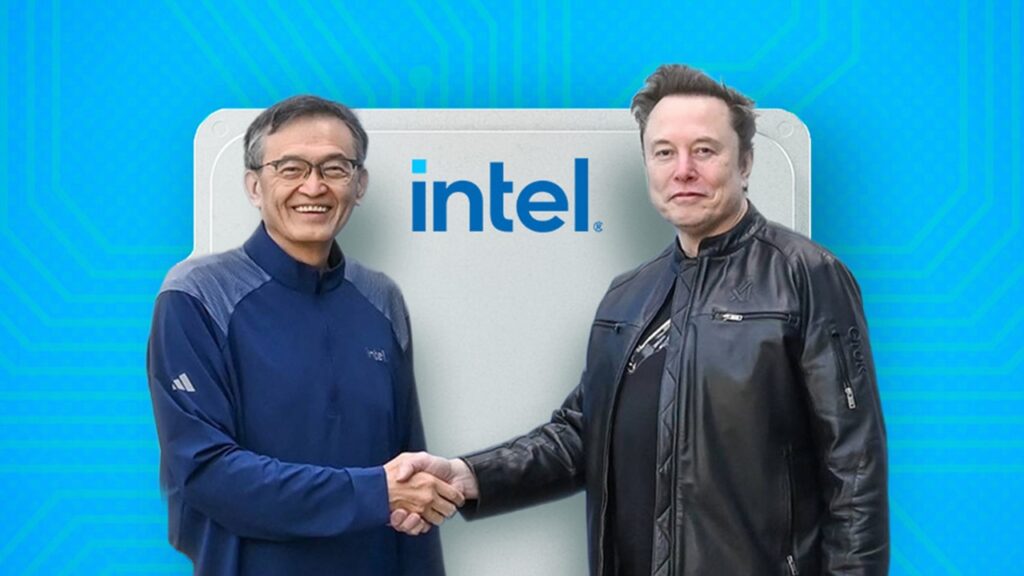
In a major move for the U.S. semiconductor industry, Intel has officially joined a high-profile initiative led by Elon Musk to build a next-generation chip manufacturing facility in Texas.
The ambitious “Terafab” project, backed by SpaceX and Tesla, aims to produce massive computing power to support the future of artificial intelligence, robotics, and space technologies.
🚀 What Is the Terafab Project?
The Terafab initiative is designed to create a cutting-edge semiconductor factory capable of producing up to 1 terawatt (1 TW) of compute annually—a massive leap in processing capacity.
This compute power could fuel:
- Advanced AI systems and machine learning models
- Autonomous vehicles and humanoid robots
- Space-based data centers and satellite networks
The vision reflects Elon Musk’s broader strategy to integrate AI across industries—from Earth to orbit.
🏭 Intel’s Role: Manufacturing Powerhouse
Intel brings critical expertise to the project. As one of the few companies capable of designing, fabricating, and packaging high-performance chips at scale, Intel is expected to handle the most complex part of the operation: chip manufacturing.
Although the exact scope of its involvement hasn’t been fully disclosed, Intel stated that its capabilities will help accelerate Terafab’s mission.
This partnership also gives Intel two major anchor clients—Tesla and SpaceX—boosting its foundry business ambitions.
⚠️ Why Building a Chip Factory Is So Challenging
Constructing a semiconductor fabrication plant (fab) is one of the most expensive and complex projects in tech:
- Costs can exceed $20 billion
- Requires years of development
- Involves ultra-clean environments and precision machinery
Previously, questions were raised about how Tesla and SpaceX—companies without chip manufacturing experience—could execute such a project. Intel’s involvement now provides a clear answer.
📊 Strategic Shift in the Chip Industry
Once the dominant U.S. chipmaker, Intel has faced strong competition from rivals like Nvidia and AMD, which adopted a fabless model—designing chips while outsourcing manufacturing.
By joining Terafab, Intel is doubling down on its manufacturing-first strategy, aiming to reclaim leadership in semiconductor production.
Following the announcement, Intel’s stock saw a notable rise, reflecting investor optimism about the partnership.
🔮 What This Means for the Future of AI
The Terafab project signals a major shift in how tech giants approach infrastructure:
- Vertical integration of AI hardware and software
- Increased U.S.-based chip production
- Faster innovation in robotics, automation, and space tech
If successful, this initiative could redefine global competition in semiconductors and AI computing.
💡 Final Thoughts
The collaboration between Intel, Tesla, and SpaceX marks a bold step toward the future of high-performance computing. The source of this news is Tech Crunch.
For TechMeo readers, this is more than just a business deal—it’s a glimpse into the next era of AI infrastructure, where massive compute power will drive everything from self-driving cars to space-based data systems.